
Riverside Landlords, Do You Know the Difference Between Wear and Tear and Tenant Damages?
After a move-out, if you’re left with a long punchlist of repairs to get the home ready for the Riverside or Inland Empire rental home market, it’s crucial to know what can and cannot be charged back to a security deposit.
 Contrary to what you might have heard, you can’t just blanket-charge a vacating tenant for every little flaw in a home. Systems or items that deteriorate in the course of ordinary use or the passage of time would fall under the category of “normal wear and tear,” which is a property owner expense. And charging a former resident for something that they are not responsible for is risky, illegal, and just bad karma.
But how do you know when it’s tenant damage vs. normal wear and tear?
Watch: Wear and Tear vs. Resident Damage
Here (for general knowledge only, and not to be taken as legal advice) is a broad overview of items that might be classified as either wear or tear, or neglect:
Wear & Tear
A lessening of value of an asset from natural deterioration due to regular use or the passage of time.
GENERAL:
- Loose electrical switches/plates
- Minor pin/nail holes from pictures (limit 40 holes) per house
- Minor scuffing of walls/baseboards
- Cracked painting because of settling of the rental
- Furniture indentation in carpet
- Minor traffic pattern on carpets and tile
- Minor rubs/scuffs on door finish
KITCHEN:
- Corroded stove drip pans
- Minor scuffing of flooring
- Stiff drawers/hinges
BATHROOM:
- Loose toilet seat
- Stiff faucets
- Loose towel racks
- Worn caulking on toilet/tub
Resident Abuse or Neglect
Misuse, neglect, harm or destruction by the resident or a guest of the resident to the property that is considered beyond normal use.
GENERAL:
- Neglecting to report maintenance issues, especially from water leaks, and the resulting damage that occurs.
- Failure to clean unit
- Lightbulb burned out, missing or wrong bulb type
- Electrical switches/plates broken or missing
- Tampering or damage to smoke/CO detectors
- Smoke damage from burning candles, incense, hookahs or cigars/cigarettes/vape pens, including odor damage
- Flea/bed bug infestation
- Urine, pet/animal odor
- Repainting walls to cover unauthorized resident painting
- Repainting walls due to excessive marks/dirt/food/grease
- Excessive holes in walls (exceeding the 40-tack-hole limit) or large holes
- Drawing, crayon markings, stickers/stamps, or wallpaper
- Pasting/sticking decals and stickers on windows, doors, walls
- Abandoned trash inside or outside
- Burns, tears, stains, or excessive wear to carpets
- Burns, tears, stains, excessive wear, water or urine damage to laminate or vinyl plank flooring
- Cuts, tears, holes in linoleum or vinyl
- Damaged doors, door jams, and/or door trim
- Damage to a door/door frame from forced entry
- Damage to doors/door frames, door trim or walls from pet scratching or activity.
- Missing doorstops/holes from missing door stops
- Installation of key-locking doorknobs
- Broken/cracked windows or window frames
- Window/door screen material holes, slits, tears or bent frames
- Dirty, broken, bent, damaged, or missing mini-blinds or drapes
- Damaged light fixtures
KITCHEN:
- Burned, cut, scratched or water-damaged countertops
- Grease/oil splatter and staining on countertops (especially granite), backsplash, or cabinets from cooking oil or cooking activity
- Broken cabinets/drawer guides
- Broken or damaged appliances
- Missing/broken refrigerator shelf/door/handle/drawer/appliance parts
- Excessive dirt/dust in the refrigerator vents, usually caused by not changing HVAC filters
- Clogged/non-working garbage disposal due to improper use of the disposal
BATHROOM:
- Scratches or knife cuts in countertop
- Broken toilet seat or damaged toilet
- Bent/damaged/de-installed towel rods and toilet paper holders
- Missing faucet handles
- Mold or mildew on walls/ceilings
YARD:
- Excessive vegetation/weeds
- Dead areas
- Yard not mowed (if resident responsibility)
- Pet/Animal waste in yard (regardless of animal owner)
- Fence damage from misuse
- Parking on the lawn or landscaping of rental
- Dead leaf/foliage accumulation
- Removal of raised beds, gardens, or changes to landscaping
Prorations: Special Circumstances
Everything has a “useful,” or expected, life. For example, the anticipated lifespan of carpet is five years. If, therefore, a resident moved our after just two years but left major stains, pet damages or even holes/tears that would be considered beyond ordinary use, the owner or property manager could still only theoretically charge the outgoing tenant for the three remaining years of useful life, or 60 percent of the cost to replace.
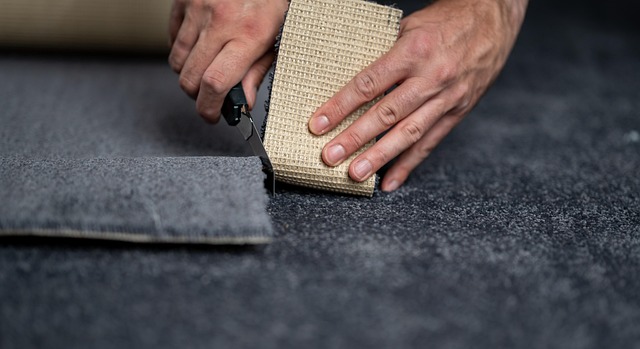 On the flipside, if a resident vacated after 10 years and the carpet had huge stains, the cost to clean the carpet would be a resident expense. But the cost to replace would be entirely borne by the owner.
How about paint? Well, fingerprints, a normal number of tack holes, and color fade would constitute normal wear and tear. But someone’s artisitic drawing on a wall, ripped wallpaper, broken molding or baseboard, or holes larger than from a typical nail or tack would be considered damage.
If wall paint is expected to have a useful lifespan of three years, and the resident lived in the home for five years, the cost of repainting would not be an acceptable security deposit deduction. But the cost to repair, refinish, and repaint a fist-sized hole in the wall probably would be an acceptable tenant charge. Also, if the damaged paint was confined to just one wall, you could not safely charge a tenant for repainting an entire interior — only the affected areas.
To Summarize …
If you’re not sure who should be responsible, consult with a property management attorney, as we’re not attorneys and we do not offer legal advice. Also, laws vary from state to state, and even from city to city.
But when in doubt, best to err on the side of caution. The truth is, a great tenant who cared for a property, reported problems promptly, cooperated when necessary, and paid rent on time was a blessing and helped you run a successful rental enterprise. Legitimate damages are one thing. But if you probably needed to repaint the interior to get the best replacement resident, you were going to have to do it whether the former residents had photos hanging on the wall or not.
Want a quick list to take with you? Here’s a link to the Dream Big Property Management Wear & Tear guide.
And if you have any questions about this of any other issue related to property management or income properties in Riverside, Moreno Valley, Corona or the rest of the Inland Empire of Southern California, feel free to reach out to us at 951-314-5402.
Related Reading
- FAQ: What Can I Deduct From a Security Deposit in California?
- California Security Deposit Laws 2025: What Riverside CA Rental Property Investors Must Know
- FAQ: How Long Do I Have to Return a Security Deposit in California?
- FAQ: What Happens If I Don’t Return a Security Deposit on Time in California?
Full Transcript
Transcript of the video above — Brian Bean, Broker/Owner and Rental Home Advocate, Dream Big Property Management. CA DRE #01346382. Lightly edited for readability.
Brian Bean here with Dream Big Property Management in Riverside, California. We help people just like you become intentional rental property investors.
Hey, want to know the most contested question in property management? It’s wear and tear versus resident damage. And it’s important because if you do it wrong, you could end up in court. So let’s clear this up.
What is the difference between normal wear and tear that a property owner pays for versus damage caused by a resident that can then be deducted from a security deposit?
Well, California law defines normal wear and tear as the lessening in value of an asset because of normal use. That’s stuff that happens just from people living in a home over time: aging, fading, minor scuffing. It’s expected and it’s the property owner’s responsibility.
Damage, on the other hand, is the misuse or neglect by the resident that reduces the value or usefulness of the property. That’s beyond normal living, and that’s what you can charge for.
Here’s some examples. Normal wear and tear covers minor scuffs on walls and baseboards from foot traffic, small nail holes from hanging pictures, faded paint, worn carpet, furniture indentations in carpet, loose toilet seats, drippy faucets, flaking or cracking paint. It’s expected deterioration and you cannot charge residents for it.
Resident damage, on the other hand, includes larger holes in walls, unauthorized painting of walls, burns, tears or stains in carpets, pet damage including marred doors or walls, urine odor or pet waste, smoke damage from candles or cigarettes, crayons or markers on the walls. This is beyond normal use, and you may be able to charge a resident for the cost to repair or replace.
However, check with an attorney for guidance on your specific situation, because even when there is damage, you can’t always charge the full replacement cost. Carpet and paint, for example, have useful lives. If carpet is 7 years old and a resident damages it, you can only charge for the remaining useful life, not for the full cost of brand new carpet.
We created a comprehensive page on our website that breaks down dozens of examples of wear and tear versus damage, organized by room. I’ll drop a link in the description below.
Bottom line, normal wear and tear is expected aging and minor deterioration. Resident damage is misuse or neglect beyond normal living. Know the difference. Document everything with photos. And when in doubt, consult with your attorney.
If you have questions about wear and tear or anything related to the right and profitable way to run your rental property, call me today at 951-314-5402. I’m happy to share. You can also find valuable information on our website, dreambigpm.com.
If you found this information here useful, we have more. Check it out. Hit that subscribe button and we’ll alert you when new information is posted.
Don’t be accidental about your future. Be intentional to your success.